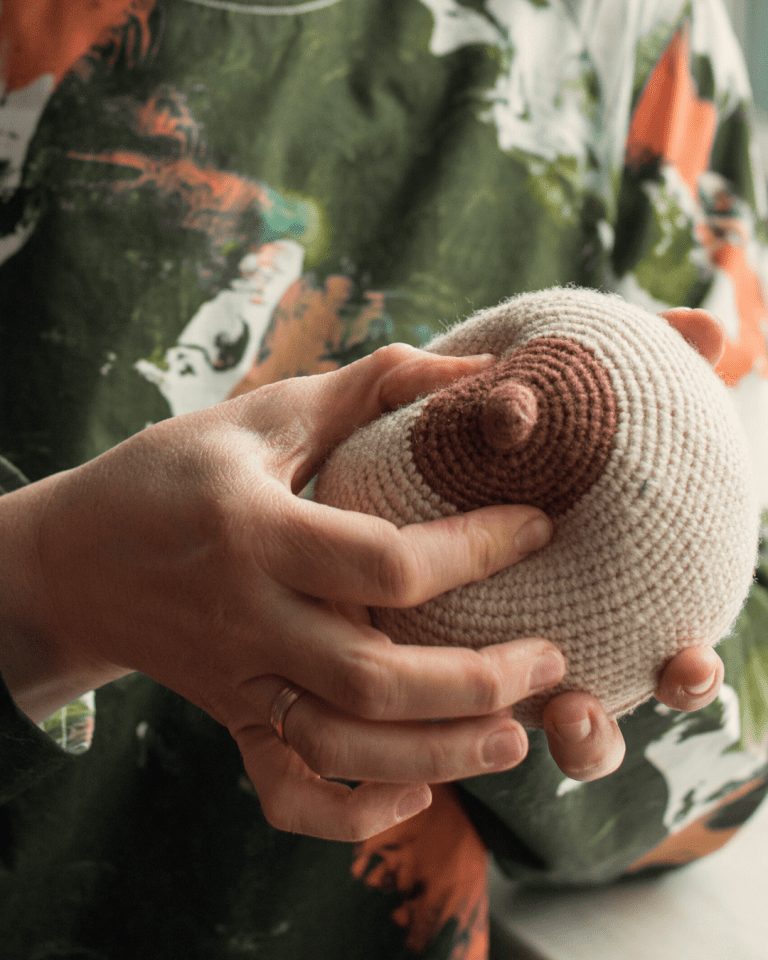
Why the First Hour Matters More Than You Think
The first 60 minutes after your baby is born, often called the “golden hour”, is one of the most influential periods in both your baby’s and your own life. In this brief window, your body is flooded with oxytocin, your baby is alert and primed for skin-to-skin contact, and the stage is set for breastfeeding, bonding, and recovery. In my opinion, I believe The Golden Hour should be plural – because even beyond 60 minutes the benefits only increase.
But here’s the thing: while much of antenatal education focuses on labour and birth, very little time is spent on how to protect this first hour. Yet research consistently shows that what happens immediately after birth can affect breastfeeding success, maternal wellbeing, and infant health for weeks, months, and even years (World Health Organization, 2022).
If you want to start your postnatal journey feeling confident and connected, knowing how to use this first hour is key.
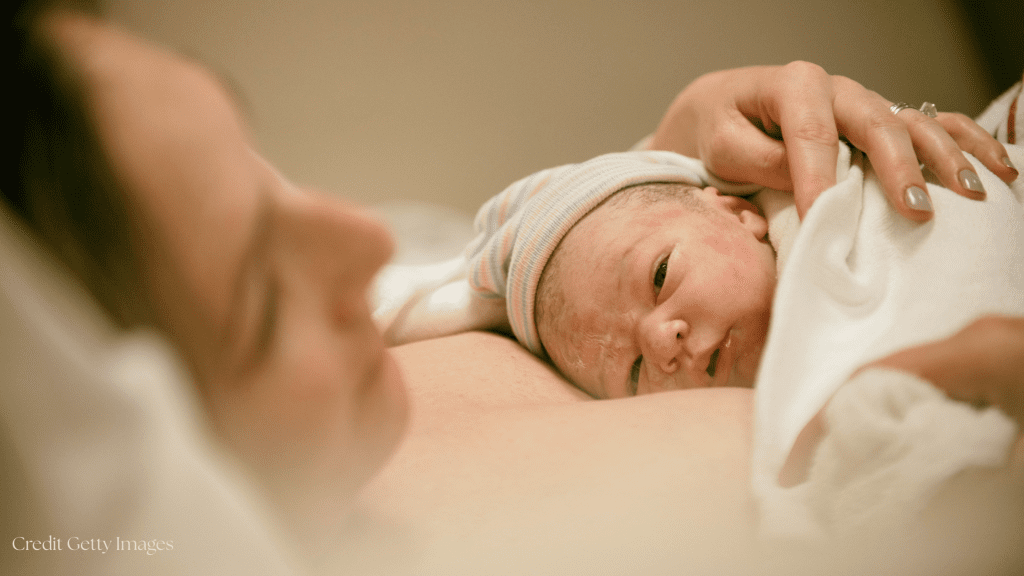
1. Prioritise Immediate Skin-to-Skin Contact
Skin-to-skin contact isn’t just a feel-good moment. It’s a biological necessity. Placing your naked baby on your bare chest immediately after birth has measurable benefits:
- Regulates baby’s temperature, breathing, and heart rate (Moore et al., Cochrane Review, 2016).
- Stimulates breastfeeding reflexes – babies instinctively move towards the breast and begin to self-attach.
- Boosts oxytocin levels in you, which helps the placenta deliver and reduces postpartum bleeding.
This isn’t just for vaginal births – with planning and advocacy, skin-to-skin can often happen after a caesarean too.
Tip: Let your birth partner know you want uninterrupted skin-to-skin. Ask them to advocate for it if you’re unable to speak up in the moment. If there is any reason for you not being able to have this time, make sure your partner knows to be prepared to do skin-to-skin until you’re ready.
Check out my blog post Fourth Trimester Recovery blog for more on skin-to-skin and emotional recovery.
2. Protect the First Feed
Breastfeeding in the first hour, sometimes called the “initiation feed”, is strongly linked to longer breastfeeding duration and greater milk supply.
Your baby is born with heightened alertness, which fades after about 60–90 minutes. Because of this, it is important to let them root and latch naturally as soon as possible. Moreover, your baby will likely need a little time to catch their breath (after all, they were in labour too!) so skin-to-skin helps to awaken their senses. Research shows that delaying the first feed can increase the risk of breastfeeding difficulties in the days that follow (UNICEF Baby Friendly, 2020).
- Keep your baby in skin-to-skin.
- Request the ‘Breast Crawl’ on your birth plan – check out my other blog post on this amazing newborn ability
- Avoid separating for weighing or routine checks unless medically necessary.
- Allow them to self-attach if possible, this can improve latch quality and awaken senses.
If you experience birth interventions like epidural or induction, you might find your baby is sleepier. In these cases, gentle hand expression of colostrum can help stimulate your supply and give your baby a nutritious first feed. This can be either syringe, open cup or spoon fed (using sterilised equipment, of course).
Check out my blog post on The First 7 Days After Birth for more information on protecting the first feed and jumpstarting your breastfeeding journey.
Head to this NHS link to check out guidance on preparing to breastfeed.
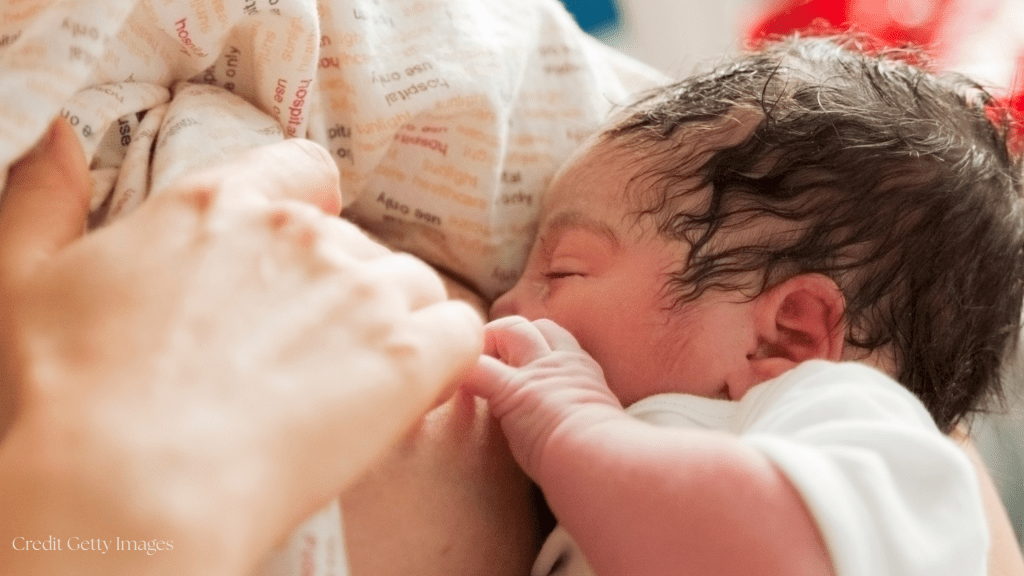
3. Prioritise Breastfeeding: Delay Non-Urgent Checks and Procedures
While some medical checks need to be done promptly, many routine procedures can safely wait until after the first feed. This includes:
- Weighing
- Vitamin K injection
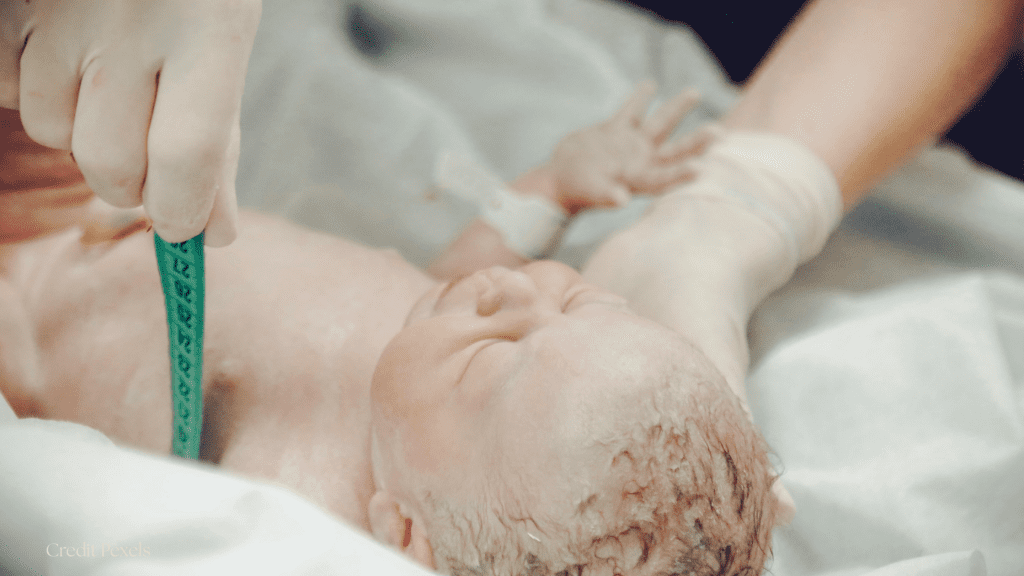
- Measurements
- Even putting the first nappy on – it can wait, if you feel comfortable with a little wee or meconium!
By delaying these, you give yourself and your baby uninterrupted time to bond and feed without unnecessary stress or separation.
Tip: Include this preference in your birth plan and tell your midwife or care provider in advance.
This isn’t about rejecting care, it’s about timing. The benefits of those first uninterrupted minutes are too important to rush through.
Check out UNICEF’s guidance on skin-to-skin and immediate contact following birth.
If you want to delve deeper, here are some research articles on skin-to-skin and Kangaroo Care.
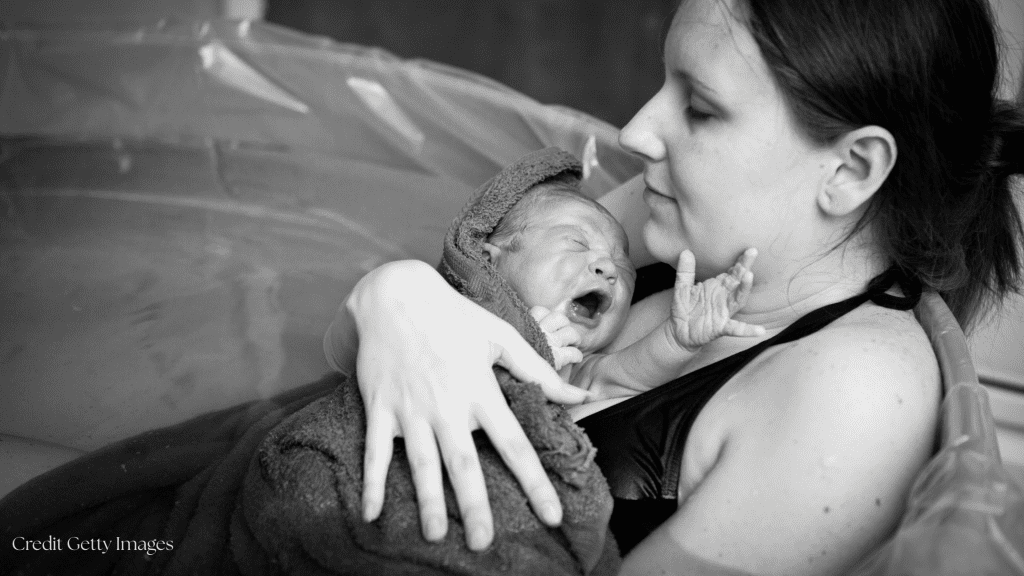
4. Engage Your Partner as a Protector and Advocate
The first hour after birth is not just about mother and baby – your partner has a vital role to play. They can:
- Ensure you’re not disturbed unnecessarily.
- Help keep the environment calm and quiet.
- Pass you water, snacks, and extra blankets.
- Remind staff of your wishes if you’re focused on the baby or feeling tired.
- Have some skin-to-skin time to also start the bonding process
Partners who are actively involved from the start often feel more confident and connected in their caregiving role later. A study in Birth (2018) found that partner involvement is associated with longer breastfeeding duration and greater maternal satisfaction.
5. Keep the Room Calm and the Lights Low:
Breastfeeding Needs Oxytocin
Your body is primed to release oxytocin in this first hour – the hormone that helps your uterus contract, promotes milk ejection, and creates feelings of love and bonding. But oxytocin is sensitive to stress, bright lights, and noise.
By keeping the room dim, quiet, and calm, you’re creating the best hormonal environment for both bonding and breastfeeding.
This can be as simple as:
- Asking staff to keep voices low.
- Dimming the lights if possible.
- Limiting visitors until after the first feed.
- Asking where possible for your routine checks following the birth to be all at once, instead of sporadically.
Why This First Hour Matters for Breastfeeding Health
Protecting the golden hour isn’t just about sentiment, it’s about health outcomes. Early skin-to-skin and breastfeeding are associated with:
- Lower infant mortality (Smith et al., Lancet, 2016)
- Reduced risk of infections
- Better thermoregulation and blood sugar stability in newborns
- Improved maternal mood and reduced postpartum anxiety
- Longer exclusive breastfeeding duration
The health benefits extend into the future: for mothers, breastfeeding is linked with a lower risk of breast and ovarian cancers, type 2 diabetes, and heart disease.
Final Thoughts
This first hour is a rare, unrepeatable moment in your parenting journey. You don’t need to choreograph it to perfection, but protecting it from unnecessary interruptions can make all the difference for your recovery, your confidence, and your breastfeeding journey.
By knowing what to ask for, preparing your partner to advocate for you, and understanding the science behind these practices, you can enter this hour feeling calm, informed, and ready.
If you’d like help creating a birth and breastfeeding plan that protects your first hour, I offer antenatal breastfeeding prep sessions and whole spectrum doula support. Let’s start your parenthood story with confidence and connection.